
A Zen home is more than just a space; it is a sanctuary where you can find peace and balance. Inspired by the simplicity of Japanese design, Zen décor promotes mindfulness and relaxation. By adopting its principles, you can transform your home into a calming environment that soothes the mind and nurtures the soul. This article provides practical tips to help you create a Zen-inspired home, perfect for unwinding after a long day.
1. Understanding the Basics of Zen Home Design
Zen home design focuses on simplicity, harmony, and natural elements. It aims to create a serene and clutter-free space where you can feel at ease.
What Is a Zen Home?
Zen homes emphasize clean lines, open spaces, and an overall sense of tranquility. Neutral colors, natural materials, and thoughtful design choices define this style.
Why Choose Zen Décor?
A Zen-inspired home can:
- Reduce stress by promoting a calming atmosphere.
- Encourage mindfulness and focus through minimalism.
- Foster balance and harmony in your living space.
By incorporating Zen principles, you create a home that nurtures both your body and mind.
2. Choosing the Right Color Palette
Colors set the tone for any space, and in Zen design, they play a crucial role in establishing a calming ambiance.
Calming Neutral Shades
Neutral colors like white, beige, and soft gray are ideal for a Zen home. These shades reflect simplicity and allow the mind to rest. Pair these tones with subtle accents for a balanced look.
Incorporating Nature-Inspired Hues
Earthy greens, soft blues, and muted browns can add warmth and connect your space to nature. Use these colors sparingly to maintain harmony with neutral tones.
3. Furniture and Layout Ideas
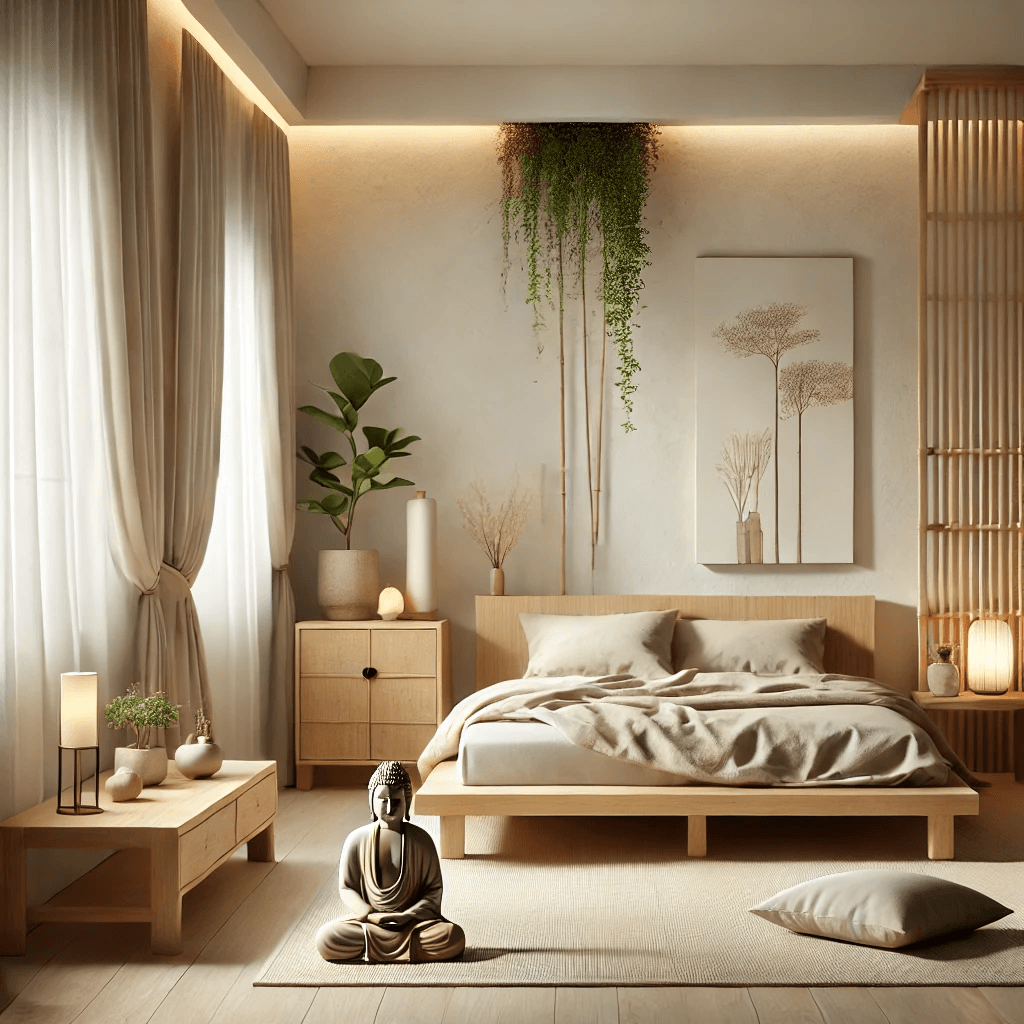
The right furniture and layout can significantly impact the flow and feel of your home.
Minimalist Furniture Choices
Zen design values quality over quantity. Choose simple furniture pieces with clean lines, such as a wooden table or a bamboo chair. Avoid ornate or bulky designs that can overwhelm the space.
Open Space Layouts
An uncluttered layout is key to creating a Zen home. Arrange your furniture to promote openness and natural flow. Leave enough empty space to avoid overcrowding and allow energy to move freely.
Multi-Functional Furniture
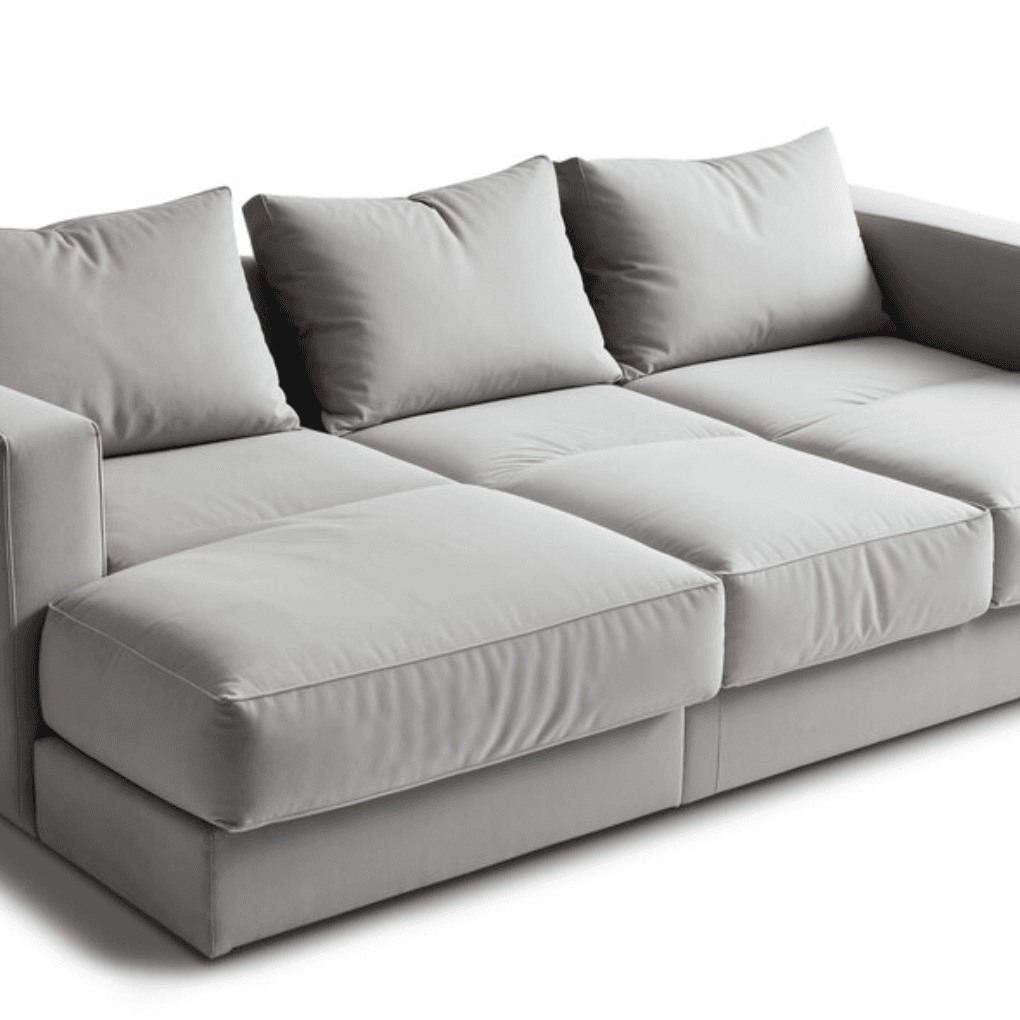
Invest in furniture that serves multiple purposes to maximize functionality while keeping the space simple. For example:
- A sofa bed for guest areas.
- Storage ottomans for reducing clutter.
- Foldable tables for saving space.
4. Incorporating Natural Elements
Natural elements are essential to bringing the Zen philosophy into your home.
Plants and Greenery
Adding indoor plants is one of the easiest ways to connect with nature. Choose low-maintenance options like:
- Succulents.
- Snake plants.
- Bamboo or peace lilies.
Plants improve air quality and create a fresh, calming vibe.
Natural Textures
Use materials like stone, wood, and wicker to add texture to your space. For instance:
- Wooden furniture for warmth.
- Stone accents for a grounding effect.
- Woven baskets for storage.
These elements blend seamlessly into Zen décor while enhancing its soothing atmosphere.
5. Lighting for a Zen Atmosphere
Lighting affects the mood of your home and plays a crucial role in achieving a Zen-inspired space.
Soft and Natural Lighting
Maximize natural light to brighten your space. Use sheer curtains or blinds that allow sunlight to filter through softly. Natural light creates a sense of openness and calm.
Accent Lighting
Complement natural light with warm, soft lighting in the evening. Consider:
- Floor or table lamps with warm bulbs.
- Candles for a cozy glow.
- String lights for a whimsical touch.
Avoid harsh lighting, which can disrupt the serene atmosphere.
6. Adding Personal Zen Touches
Personal touches make your Zen home feel unique and meaningful.
Decorative Accents
Decorate thoughtfully to avoid clutter. Consider adding:
- A small Zen garden for meditation.
- Japanese-style art or calligraphy.
- A Buddha statue or a calming sculpture.
These accents complement the overall design without overwhelming the space.
Aroma and Sound
Engage your senses with soothing scents and sounds:
- Use essential oil diffusers with calming fragrances like lavender or eucalyptus.
- Incorporate a small water fountain for the tranquil sound of running water.
- Add wind chimes for a gentle auditory element.
These sensory elements enhance the relaxing atmosphere of your Zen home.
7. Maintaining Your Zen Space
A Zen home requires regular upkeep to retain its tranquil vibe.
Decluttering Regularly
Decluttering is essential for maintaining balance in your space. Here are some tips:
- Adopt a “one-in, one-out” rule for new items.
- Organize belongings with storage baskets or boxes.
- Donate or recycle unused items to free up space.
Routine Refreshes
Give your home occasional updates to keep it feeling fresh:
- Rotate decorative accents for a new look.
- Rearrange furniture to enhance flow.
- Replace old plants with new ones for a vibrant feel.
By keeping your space clean and organized, you ensure it remains a peaceful retreat.
Conclusion
Creating a Zen home involves embracing simplicity, harmony, and natural elements. From choosing a calming color palette to incorporating thoughtful décor accents, every detail matters. A Zen-inspired space not only promotes relaxation but also helps you feel balanced and centered in your daily life. By following these tips and maintaining your space, you can enjoy the lasting benefits of a peaceful and rejuvenating home. Start small, and let your journey to a Zen lifestyle unfold naturally.