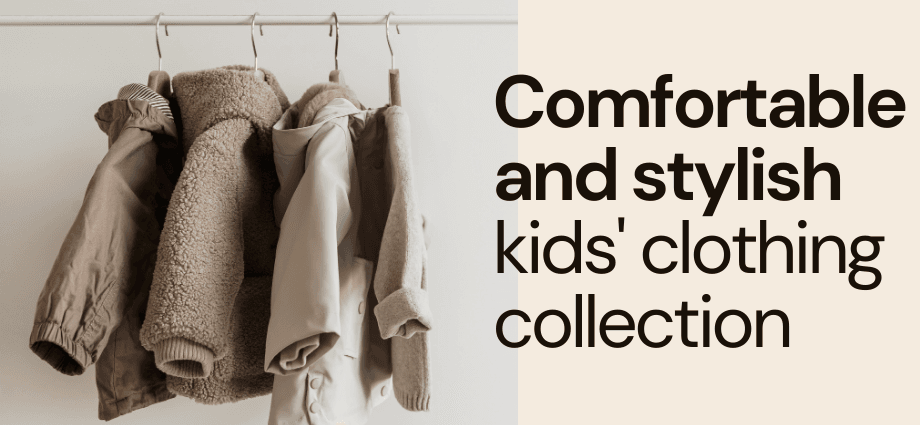
Choosing the right clothing for your child involves balancing comfort, style, and practicality. Parents want their children to feel at ease, but also to look good. The right clothes not only make a child feel happy but also give them the freedom to move and play. In this article, we’ll explore how to select the best clothes that meet both comfort and style needs.
Understanding Comfort in Children’s Clothing
Comfort is crucial when picking clothes for kids. Clothes that don’t fit right or are made from uncomfortable materials can cause irritation, restrict movement, and make a child feel uncomfortable all day long.
Fabric Choices for Comfort
The fabric of children’s clothing directly affects their comfort. Soft, breathable materials like cotton are ideal for everyday wear, as they are gentle on the skin and allow for airflow. Fabrics such as bamboo are also becoming popular because they are hypoallergenic, moisture-wicking, and soft. Wool is another great option for cooler weather, as it’s both warm and breathable.
On the other hand, synthetic fabrics like polyester may trap heat and can cause irritation, especially in sensitive skin. It’s important to choose fabrics that allow the skin to breathe and don’t irritate.
Proper Fit
Fit is another key element in children’s comfort. Clothing that’s too tight can restrict movement, while clothes that are too loose may result in tripping or discomfort. Look for clothes that fit comfortably but allow room for your child to move freely.
Adjustable waistbands, stretchy fabrics, or clothing with a bit of extra room for growth can ensure that the clothes don’t feel too tight or loose. However, avoid buying clothes that are too big, as they can cause awkward movement or discomfort.
When clothes fit properly, children feel more at ease and can play freely.
Seam and Label Considerations
The little details of a garment can make a big difference in comfort. Seams, for example, can cause irritation if they are rough or stick out. It’s best to choose clothing with soft, flat seams that won’t rub against your child’s skin. Likewise, labels sewn inside clothes can itch or scratch. To avoid this, choose clothes with printed labels or heat-sealed tags.
Keeping Style in Mind
While comfort is the priority, style plays a big part in your child’s wardrobe. Clothes are an important form of self-expression, and children often enjoy wearing clothes that reflect their interests and personality.
Choosing Age-Appropriate Designs
The design of your child’s clothing should be age-appropriate. Younger children typically enjoy fun patterns like animals or colorful graphics, while older children might prefer more subdued or trendy designs. It’s important to choose clothes that suit their age and help them feel confident.
For example, toddler clothes often feature bright colors and playful designs, while older children may prefer clothing with more grown-up prints or styles. Always make sure the designs are suitable for the child’s age, as this ensures that they will feel comfortable and enjoy what they wear.
Versatility in Clothing
A versatile wardrobe is essential for both parents and kids. Clothing that can be mixed and matched for different occasions helps minimize the need to buy excess items. For instance, a simple T-shirt can be paired with jeans for a casual day, or dressed up with a jacket for a more formal look.
Investing in pieces that are easy to style in various ways makes life easier, as you can create multiple outfits with fewer clothes. Versatile pieces like T-shirts, leggings, jeans, and sweatshirts are perfect for everyday wear. Plus, these items are comfortable and work well in almost any setting.
Current Trends vs. Timeless Pieces
While trends are fun, it’s important to strike a balance between trendy clothing and timeless pieces. Trendy clothes may go out of style quickly, but classic items like plain T-shirts, solid-colored sweaters, and simple jeans will never go out of fashion. Mixing both trendy and timeless pieces in your child’s wardrobe ensures they have a mix of fresh looks while still having essential, long-lasting items.
Practical Tips for Parents
Shopping for children’s clothing doesn’t have to be stressful. With a few practical strategies, you can make better, more thoughtful purchases without sacrificing style or comfort.
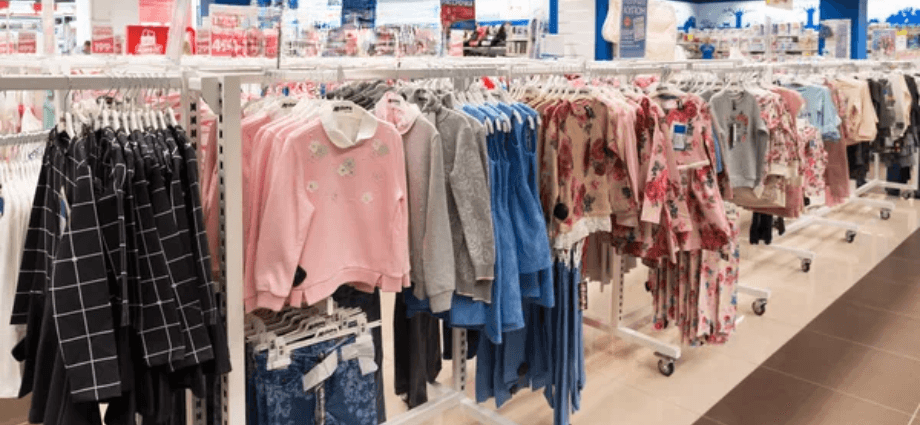
Buying for Growth
Children grow quickly, which means they often outgrow clothes in a matter of months. To get the most value from each purchase, it’s a good idea to buy clothes that are slightly larger than your child’s current size. This will give them more room to grow, so they can wear the clothes for a longer period. Clothes with adjustable features, such as waistbands or straps, can also extend the lifespan of the outfit.
However, avoid buying clothes that are too large. Clothes that are too loose can cause discomfort and make your child feel restricted, even if there’s room for growth.
Budget-Friendly Choices
Dressing your child stylishly doesn’t have to mean spending a lot of money. There are plenty of ways to shop smart and stay within your budget. Look for sales and discount opportunities, especially when shopping for out-of-season clothes. Shopping online or visiting outlet stores can also help you find better deals on quality items.
Another tip is to invest in multi-pack basics like socks, T-shirts, and leggings. These foundational pieces can be worn regularly, and buying in bulk often saves money.
Easy-to-Care Clothing
As a parent, you probably already know how often children’s clothes need washing. Choosing clothing that’s easy to care for will save you time and effort. Opt for durable fabrics that can withstand frequent washing. Clothes that are stain-resistant or come in darker colors can help hide dirt and spills. Be sure to check care labels to make sure the clothes are machine washable, as this will make laundry days easier.
Safety Considerations in Children’s Clothing
Safety is just as important as comfort and style when it comes to children’s clothing. Clothes should be free from hazardous elements and made from safe, non-toxic materials.
Avoiding Hazardous Elements
Children’s clothing often includes small buttons, zippers, or decorative items that could pose a choking hazard. When shopping, always check for small, removable parts or loose buttons that might come off during play. Opt for clothing that has fewer small details or uses safer alternatives like snap closures instead of buttons.
Choosing Non-Toxic Materials
Children’s skin is more sensitive than adults’, so it’s essential to choose clothing made from non-toxic materials. Look for clothes that are made from organic cotton or materials that are free from harmful chemicals. Many manufacturers now offer clothing dyed with child-safe, non-toxic dyes, which is especially important for young children who may put clothes in their mouths. Certifications like GOTS (Global Organic Textile Standard) are an indicator that the clothing meets high safety standards.
Conclusion
Choosing the right clothing for your child is about finding the right mix of comfort, style, and safety. Comfortable clothing allows your child to move freely, while stylish pieces let them express their personality. By considering practical tips like buying for growth and choosing easy-to-care-for materials, you can keep your child both comfortable and stylish. Above all, ensure the clothes are safe, and remember to prioritize comfort. With thoughtful shopping, you can create a wardrobe that meets all your child’s needs.