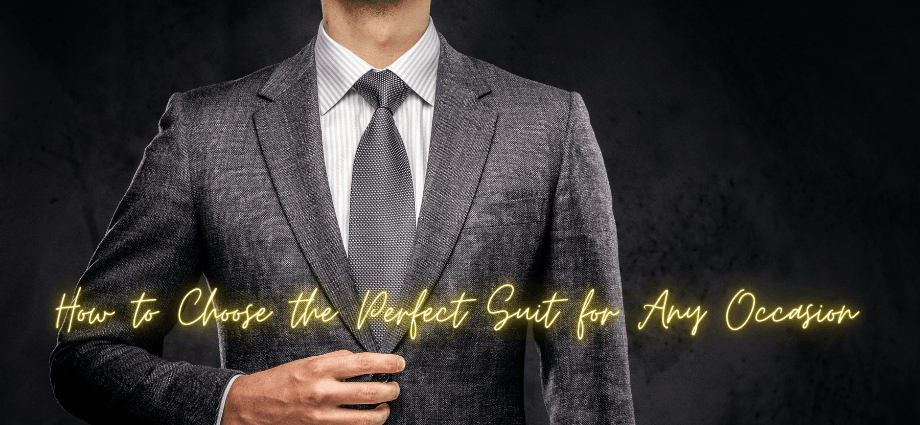
Choosing the right suit is more than just about style—it’s about understanding the occasion, fit, fabric, and accessories that will best serve you. A well-chosen suit can boost your confidence and ensure you look your best. Here’s how to select the perfect suit for any event.
Understand the Occasion and Dress Code
The first step in choosing the right suit is knowing the event and its dress code. Different occasions call for different styles, colors, and fits. Whether it’s a wedding, a business meeting, or a casual gathering, dressing appropriately is key.
Formal Events: Weddings, Galas, and Business Meetings
For formal events, such as weddings, galas, or important business meetings, you want to project a professional, sophisticated image. Dark, solid-colored suits—such as navy, charcoal, or black—are classic and universally appropriate.

- Dark suits are timeless and elegant.
- Pair with a crisp white shirt for a sharp contrast.
- Accessories like a tie, pocket square, and cufflinks elevate your look.
Semi-Formal and Business Casual Events
For semi-formal or business casual events, you can experiment a bit more. Lighter colors and less structured cuts are appropriate, but the overall style should still be neat and polished. Light grey, blue, or tan are great choices for such occasions, and a slim or tailored fit will keep your look sharp. A patterned tie can add a bit of personality without being over the top.
Casual and Relaxed Occasions
For more casual occasions, like a weekend brunch or a relaxed dinner, you can ditch the full suit. A blazer and trousers combo in lighter fabrics like linen or cotton is a great choice.
- Lighter fabrics like cotton or linen keep you cool.
- Choose less formal colors like light blue, beige, or even pastel shades.
- A simple shirt or polo works well under the blazer.
Choosing the Right Fit and Cut
Fit is everything when it comes to a suit. A well-fitted suit will make you look more polished, while an ill-fitting one can ruin the overall look. Understanding different cuts and styles helps you pick the right one for your body type and the event.
Slim Fit vs. Regular Fit
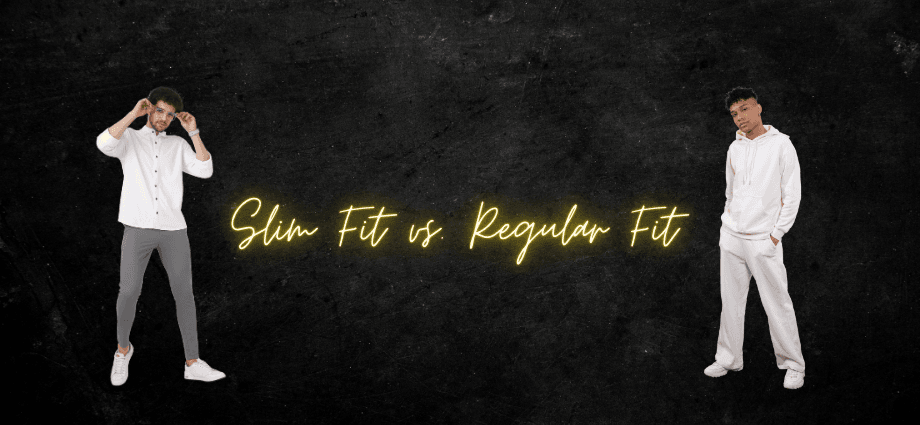
Slim-fit suits are more modern and form-fitting, perfect for a sharp, trendy look. Regular-fit suits are more relaxed and comfortable, offering a classic silhouette without being too tight. Consider your body type when choosing a fit—slim fits are better for those with a lean physique, while regular fits work well for a variety of body shapes.
Jacket Fit and Trouser Fit
The fit of the jacket is crucial to achieving a balanced look. It should fit snugly across the shoulders and chest, but it shouldn’t be tight. The trousers should also sit comfortably on your waist and break just above your shoes.
- Jacket should hug your shoulders and chest but not restrict movement.
- Trouser fit depends on your build: go for straight or slightly tapered cuts.
- Ensure there is just a slight break over the shoe, not too long.
Tailoring and Customization
Even off-the-rack suits may require some tailoring. Custom-made suits, while pricier, offer the best fit. Consider getting your suit altered to ensure it complements your unique body shape. A tailored suit can make a huge difference in comfort and style.
Selecting the Right Fabric and Material
Fabric plays an important role in the overall look and feel of a suit. The right material can make a suit feel luxurious and comfortable. Different fabrics are better suited for specific occasions and weather conditions.
Wool Suits for All Seasons
Wool is a versatile material, making it the ideal choice for most suits. It’s breathable, durable, and works well in both cold and moderate temperatures. Wool also holds its shape, ensuring your suit remains sharp throughout the day.
- Wool suits are perfect for all seasons and offer excellent versatility.
- Wool is durable and holds shape, making it ideal for formal and business occasions.
- Opt for a heavier weight wool for winter and a lighter weave for warmer weather.
Linen and Cotton for Summer Events
For warmer weather or summer events, lighter fabrics like linen and cotton are ideal. Linen keeps you cool but may wrinkle easily, so it’s best suited for casual occasions. Cotton is a bit more formal than linen, but it’s still light and comfortable, making it perfect for daytime or semi-formal events.
Velvet and Tweed for Special Occasions
Both fabrics stand out but should be worn with confidence.
- Velvet suits are best for evening events, adding a rich, luxurious feel.
- Tweed is perfect for colder months and adds a traditional, earthy look.
- These fabrics are best suited for more intimate, upscale gatherings.
Choosing the Right Color and Pattern
Choosing the right color for your suit is essential to looking sharp and confident. The color should reflect the event’s formality, while the pattern can add some personality to your look.
Solid Colors vs. Patterns
Solid colors like black, navy, and grey are classic and professional, making them safe choices for formal events. If you’re looking for a bit more personality, consider a suit with a subtle pattern like pinstripes, checks, or houndstooth. Just be sure the pattern isn’t too loud or distracting for the occasion.
How to Pick a Color for Your Skin Tone
Choosing the right color for your suit is also about complementing your skin tone. Dark suits generally work for most people, but lighter shades, such as grey or beige, can be flattering on lighter skin tones. If you have a warmer undertone, earthy tones like brown or deep green might suit you better.
Occasion-Specific Color Choices
While dark colors are always safe for formal settings, lighter hues can be a great choice for daytime or less formal occasions. Lighter colors project a more relaxed and approachable vibe.
- Dark colors are perfect for evening events or business.
- Lighter suits are better suited for daytime events, especially in the warmer months.
- Match the color to the event’s formality and your personal style.
Choosing Accessories to Complete Your Look
Accessories are what truly complete a suit. A great suit needs the right accessories to match the occasion and elevate your style. From ties to shoes, the right accessories make a huge difference.
Ties, Pocket Squares, and Shirts
A tie is essential for most formal events, but its style should match the suit and occasion. A simple white dress shirt works for most suits, but you can experiment with colors and patterns.
- A tie should match the formality of the event—go for bold colors for more casual occasions.
- Pocket squares are an easy way to add a touch of elegance.
- A white dress shirt is versatile and works with almost any suit.
Shoes and Belts
Your shoes should complement your suit’s formality. Black leather shoes are ideal for formal events, while brown leather can work for business casual settings. Don’t forget to match your belt with your shoes.
- Black leather shoes for formal and business events.
- Brown shoes can be paired with lighter-colored suits.
- Always match your belt to your shoes for a cohesive look.
Watches and Cufflinks
For formal occasions, a classic watch can add sophistication. Cufflinks are optional but can elevate your look, especially for events that require a more polished appearance. Remember, accessories should enhance your suit, not overshadow it, so keep things simple and elegant.
Conclusion
No matter the occasion, the perfect suit is one that fits well, feels comfortable, and makes you feel confident. Keep these tips in mind to make sure your next suit choice is the right one. When you feel good in your suit, you’ll look good too.