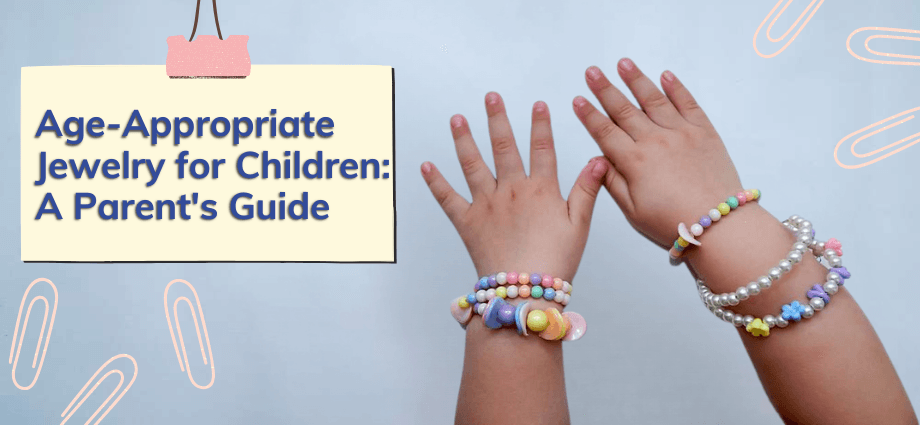
Choosing the right jewelry for children isn’t just about looks; it’s also about safety. Jewelry designed for kids should be both fun and functional, while ensuring there are no risks of choking or skin irritation. Age-appropriate pieces also help children develop a sense of personal style while providing comfort during daily activities.
In this guide, we’ll walk you through the best jewelry options for children at different ages, from infants to teens, and give tips on what to look for when shopping for your child’s next accessory.
Jewelry for Infants and Toddlers (0-3 Years)
At this young age, safety is the most important factor when selecting jewelry. Infants and toddlers are naturally curious, and anything within reach may end up in their mouths. Jewelry should be simple, soft, and safe to handle.
Safety First – Avoiding Choking Hazards
- Avoid jewelry with small parts that could be swallowed.
- Choose items with no detachable pieces that could pose a choking risk.
Gentle and Non-Toxic Materials
Look for jewelry made from soft, non-toxic materials such as silicone, cotton, or soft rubber to avoid skin irritation and ensure comfort.
Functionality over Fashion
At this stage, jewelry should serve a functional purpose. Teething necklaces or simple fabric bracelets work well, as they can also provide comfort for teething toddlers.
While it’s tempting to buy trendy jewelry for your little one, always prioritize comfort and safety over style. Choose soft, simple, and durable pieces that are specifically designed for infants and toddlers.
Jewelry for Preschoolers (3-5 Years)
Preschoolers are starting to develop their own interests and can begin wearing jewelry, but you still need to prioritize durability and safety. Pieces should be easy for them to wear and take off independently.
Introducing Simple Accessories
Preschoolers can begin wearing small bracelets, necklaces, or hair accessories. Choose jewelry that is simple and easy to wear, such as stretchy bands or large, chunky pieces that are comfortable and won’t easily break.
Durability and Safety Considerations
Ensure that any jewelry your preschooler wears is sturdy enough to withstand their active lifestyle. Avoid pieces that might easily snap or break into smaller parts.
While allowing your child to explore jewelry at this age, it’s still essential to keep safety in mind. Pieces should be functional, durable, and easy for your child to manage on their own.
Jewelry for School-Age Children (6-12 Years)
As children grow older, their tastes in jewelry become more specific, and they may start seeking accessories that reflect their personality. However, it’s still important to ensure the jewelry is safe, comfortable, and practical.
Expanding Style Options
At this age, children often enjoy more colorful and playful jewelry. Charms, name necklaces, and stackable rings are popular choices. This is also a good time to allow your child to express their individual style with pieces that feature their favorite animals, colors, or characters.
Comfort and Practicality
Choose jewelry that is lightweight and comfortable enough for daily wear. Avoid long necklaces or dangly earrings that could get caught in clothing or hair. Look for designs that are adjustable and won’t cause discomfort after extended wear.
Emphasizing Responsibility
This age is also a good time to teach your child how to care for their jewelry. Help them learn how to clean their pieces and store them safely when they’re not in use.
Jewelry can be an exciting way for school-age children to express themselves, but it’s essential to ensure that the pieces are safe and manageable for them to wear independently.
Jewelry for Teenagers (13+ Years)
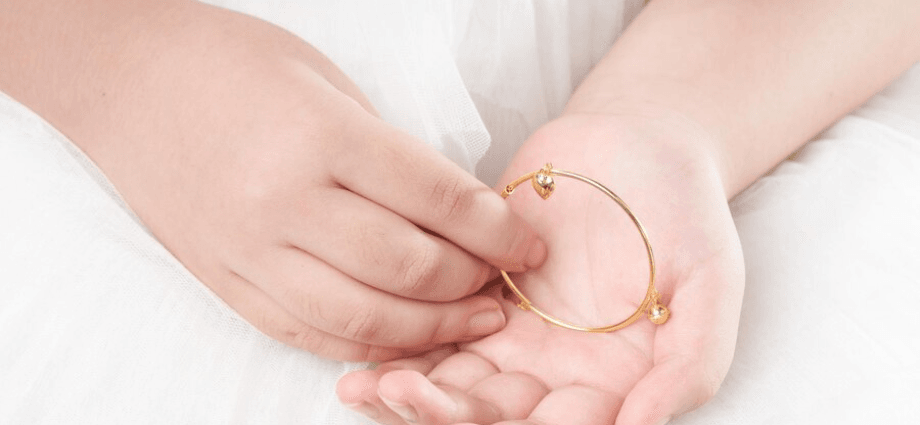
Teenagers are typically more concerned with style and self-expression, and this is the time when jewelry can become a key part of their fashion choices. While they may want more sophisticated pieces, it’s still essential to keep safety and care in mind.
Personal Expression and Fashion
Teens often seek jewelry that aligns with their growing sense of identity. This can include rings, necklaces, or bracelets that feature their initials, favorite gemstones, or stylish, trendy designs. Allowing your teen to select pieces that fit their style can help them express themselves while feeling confident.
More Advanced Materials and Styles
At this age, you can introduce higher-quality jewelry such as sterling silver or gold. These materials tend to be more durable and can be worn for special occasions or every day. Gemstone jewelry is also an option for teens who are looking for a bit of luxury.
Teaching Proper Care and Maintenance
It’s important to teach teens how to care for their more valuable pieces. Encourage them to clean their jewelry regularly, store it properly, and avoid wearing delicate items during physical activities.
Teenagers may start to appreciate jewelry as an important part of their overall look, and it’s a good opportunity to teach them about maintaining and caring for their accessories.
Key Factors to Consider When Buying Jewelry for Kids
When selecting jewelry for your child, keep the following key factors in mind to ensure you make the best choices:
Age-Appropriateness
- Jewelry should be tailored to your child’s age and developmental stage. Younger children need simpler designs, while older children can handle more intricate styles.
- For toddlers, avoid pieces that could break apart easily or pose a choking hazard.
- For teens, allow more room for personal expression with higher-quality pieces.
Material Safety
- Choose jewelry made from child-friendly, non-toxic materials. Avoid metals that can cause allergic reactions, such as nickel.
- Opt for hypoallergenic materials like stainless steel, sterling silver, or silicone to prevent irritation.
Durability and Easy Maintenance
- Look for jewelry that can withstand daily wear and tear. Materials like stainless steel and silicone are durable options.
- Ensure the jewelry is easy to clean and doesn’t tarnish quickly, especially for older kids or teens who may wear pieces daily.
By selecting jewelry that’s age-appropriate, safe, and comfortable, you can help your child enjoy their accessories without worry.
Conclusion: Finding the Right Jewelry for Your Child
When choosing jewelry for your child, always prioritize safety, comfort, and age-appropriate designs. While it’s fun to allow your child to express their style through jewelry, it’s important to make selections that won’t pose any harm. From soft teething necklaces for toddlers to trendy rings for teens, jewelry can be both fun and functional when chosen carefully.
By understanding your child’s age, interests, and safety needs, you can select pieces that will make them feel special while keeping them safe. Whether it’s a simple bracelet for a preschooler or a stylish necklace for a teen, jewelry should always reflect your child’s unique personality while providing peace of mind for you.