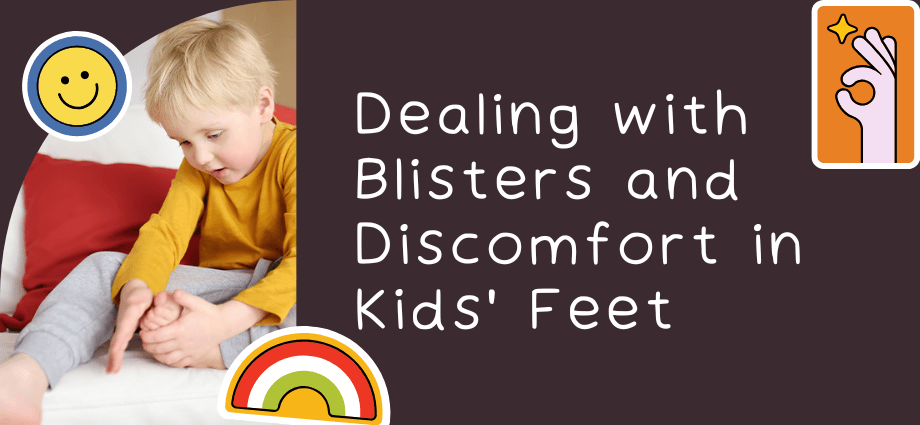
Blisters and foot discomfort are common issues among children and can disrupt their daily routines. Whether caused by ill-fitting shoes or extended playtime, these problems need prompt attention to avoid complications. Addressing these concerns early ensures your child stays active and comfortable.
What Causes Blisters and Foot Discomfort in Children?
Understanding what leads to these problems can help you prevent them.
Common Causes of Blisters
Blisters often form due to repeated friction and pressure on the skin.
- Wearing shoes that are too tight or too loose.
- Sweat or moisture buildup during play.
- Rough materials in socks or shoes causing irritation.
Underlying Reasons for Foot Discomfort
Foot discomfort can stem from various physical or environmental factors.
- Growth spurts that make shoes feel tight overnight.
- Strain from running, jumping, or standing for long periods.
- Sensitivity to certain shoe materials or allergens.
By knowing these causes, you can take steps to reduce the likelihood of blisters and discomfort.
Identifying and Assessing the Problem
Quick identification of symptoms helps prevent blisters or discomfort from worsening.
Signs of Blisters
Blisters can be easy to spot but may sometimes go unnoticed.
- Look for small fluid-filled bubbles on the skin.
- Check for redness or soreness around the affected area.
Symptoms of Foot Discomfort
Children may not always communicate their pain clearly. Watch for these signs:
- Limping or walking on tiptoes.
- Avoiding physical activities they usually enjoy.
When to Seek Medical Help
While most blisters and discomfort can be treated at home, some cases require professional care.
- Seek help if the blister shows signs of infection, such as swelling, pus, or warmth.
- Persistent foot pain lasting more than three days should also be addressed by a doctor.
Immediate Steps for Treating Blisters
Taking the right actions can help your child recover quickly and comfortably.
Cleaning and Protecting the Blister
Cleanliness is key to preventing infections.
- Wash the area gently with mild soap and water.
- Cover the blister with a breathable, sterile bandage.
Should You Pop a Blister?
Popping is not always necessary, but in some cases, it can relieve pain.
- Avoid popping unless the blister is large and causing discomfort.
- If necessary, use a sterilized needle to drain it gently, and apply antiseptic afterward.
Home Remedies to Ease Discomfort
Simple home remedies can soothe the affected area and aid healing.
- Apply aloe vera gel for cooling relief.
- Use over-the-counter blister pads or ointments.
Preventing Blisters and Foot Discomfort in Children
Prevention is often the best cure, especially when it comes to your child’s foot health.
Choosing Proper Footwear
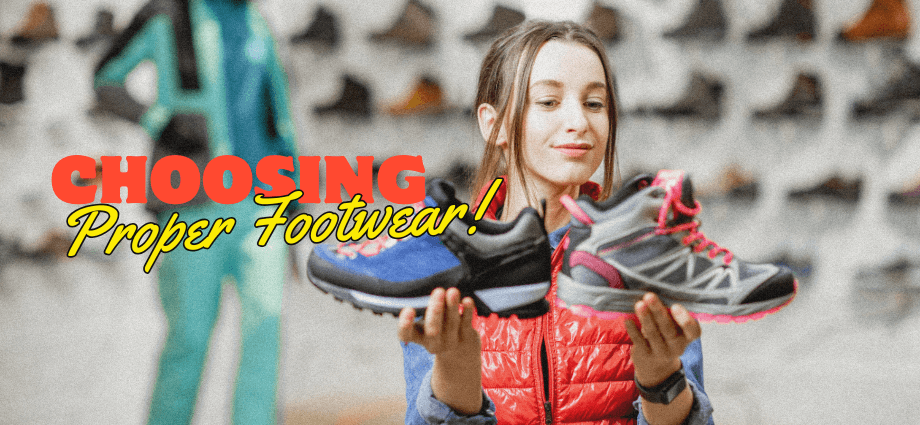
Investing in the right shoes can make a big difference.
- Select shoes with adequate support and cushioning.
- Avoid hand-me-downs, as they may not fit your child’s feet correctly.
Maintaining Hygiene
Good foot hygiene reduces the chances of blisters and discomfort.
- Wash your child’s feet daily and ensure they’re completely dry before wearing shoes.
- Choose socks made from moisture-wicking materials to prevent sweat buildup.
Tips for Avoiding Friction
Reducing friction is essential to preventing blisters.
- Apply petroleum jelly to areas prone to rubbing.
- Make sure your child wears socks with new or stiff shoes.
Encouraging Foot Health Habits in Children
Teaching children about foot care encourages long-term health and comfort.
Regular Foot Checkups
Make foot health a daily priority.
- Encourage your child to inspect their feet for any signs of redness, swelling, or blisters.
- Make this a part of their bedtime or after-bath routine.
Stretching and Resting Feet
Children often overexert their feet during playtime. Encourage simple habits to help.
- Promote breaks between physical activities.
- Teach easy foot stretches, such as curling and flexing toes, to relax the muscles.
Conclusion
Blisters and foot discomfort in children are common but manageable with prompt care and preventive measures. Identifying the causes, treating symptoms, and encouraging good foot habits will keep your child comfortable and active. By staying attentive and proactive, you can ensure your little one’s feet remain healthy and blister-free.