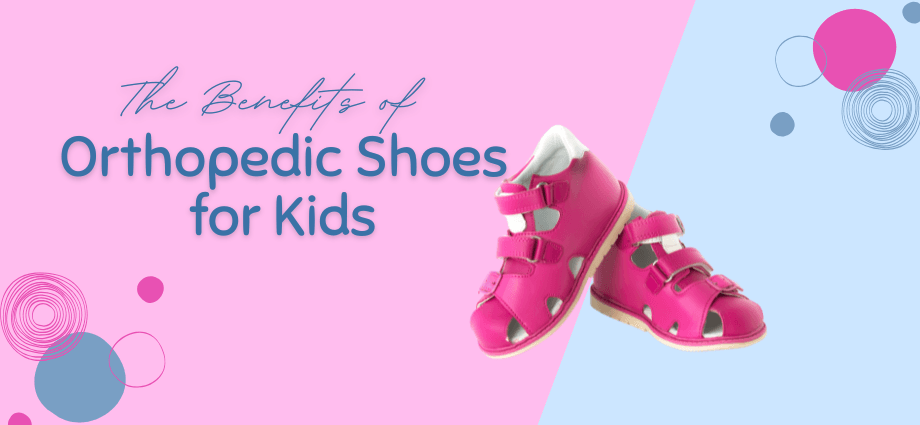
Orthopedic shoes are specially designed footwear that offers support and comfort for growing feet. These shoes cater to the unique needs of children, ensuring their feet develop correctly and preventing potential issues.
This article explores the benefits of orthopedic shoes for kids, how to choose the right pair, and debunks common myths, helping parents make informed decisions about their child’s foot health.
What Are Orthopedic Shoes?
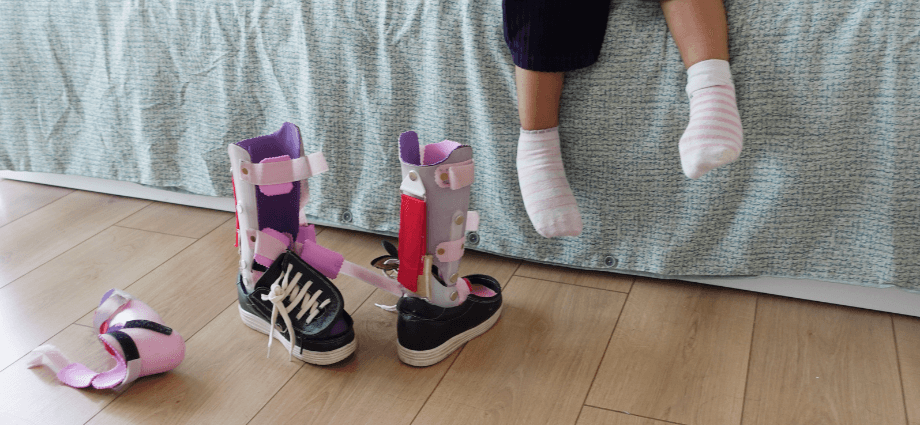
Orthopedic shoes are not just regular shoes—they are crafted to provide extra support and stability for healthy foot development.
Definition and Features
Orthopedic shoes are designed with features that support the natural shape and movement of the feet.
Key features include:
- Cushioned soles for shock absorption.
- Arch support for proper alignment.
- Adjustable closures for a secure fit.
These unique characteristics set them apart from standard shoes.
Why Are They Important for Kids?
Children’s feet grow quickly, making proper support crucial. Orthopedic shoes help prevent foot problems and ensure balanced growth. They provide a solid foundation for posture and mobility, reducing the risk of long-term issues.
Key Benefits of Orthopedic Shoes for Kids
Proper footwear impacts a child’s foot health and overall physical development.
Improved Foot Alignment
Orthopedic shoes promote correct foot positioning, which supports the natural alignment of the legs and spine.
Benefits include:
- Better posture during standing and walking.
- Reduced strain on the ankles and knees.
Support for Common Foot Issues
Orthopedic shoes are ideal for addressing specific foot problems, ensuring kids can move comfortably.
Some common issues they support include:
- Flat feet: Offering proper arch support to stabilize the foot.
- Overpronation: Preventing inward rolling of the ankles.
- Heel pain: Reducing pressure on sensitive areas.
By addressing these issues early, parents can prevent discomfort and potential complications as their child grows.
Enhanced Comfort for Active Kids
Kids are always on the move, and their shoes need to keep up. Orthopedic shoes ensure:
- Adequate cushioning for prolonged activity.
- Shock absorption to reduce impact during running or jumping.
- Flexible materials that adapt to natural foot movements.
How to Choose the Right Orthopedic Shoes for Your Child
Selecting the right pair of orthopedic shoes can feel overwhelming, but focusing on specific factors makes it easier.
Know Your Child’s Needs
The first step is understanding your child’s unique requirements. Consult a podiatrist or pediatrician for professional advice, especially if they have specific foot conditions.
Key Features to Look For
When shopping for orthopedic shoes, prioritize these features:
- Arch support: Essential for proper alignment.
- Cushioned soles: To ensure comfort during daily activities.
- Adjustable closures: Provide a snug fit and accommodate growth.
- Durable materials: Support active play and ensure longevity.
Sizing Tips
Getting the right size is critical to avoid discomfort or improper development. Here’s how to ensure a good fit:
- Measure your child’s feet regularly as they grow quickly.
- Allow room for the toes to move freely.
- Test shoes for comfort and flexibility before purchasing.
Common Myths About Orthopedic Shoes
Despite their benefits, orthopedic shoes often face misconceptions. Let’s clear up the most common myths.
Only Kids With Foot Issues Need Them
Orthopedic shoes are not limited to children with foot problems. All kids can benefit from the support and comfort they offer, especially during developmental years.
Orthopedic Shoes Are Uncomfortable
Modern orthopedic shoes are designed with both comfort and style in mind. They come in various colors and trendy designs, making them appealing to kids.
They Are Too Expensive
Orthopedic shoes are available in a wide price range, ensuring options for different budgets. Many brands offer affordable yet high-quality choices.
Caring for Orthopedic Shoes
Proper maintenance ensures your child’s orthopedic shoes last longer and remain effective.
Cleaning and Maintenance Tips
To keep the shoes in top condition:
- Clean them regularly with a damp cloth.
- Allow them to air dry after exposure to moisture.
- Use a protective spray for materials like leather or suede.
Regular care prevents wear and tear, extending the life of the shoes.
When to Replace Them
Kids outgrow shoes quickly, so it’s important to check regularly for signs of wear or discomfort. Replace shoes when:
- The soles show significant wear.
- Your child complains of tightness or pain.
- The shoes no longer fit properly due to growth.
Benefits of Orthopedic Shoes at a Glance
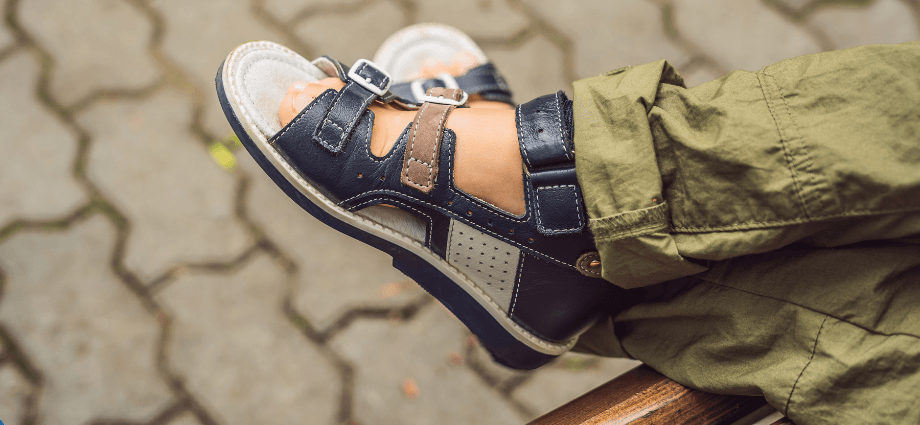
Orthopedic shoes offer a range of advantages for growing children, including:
- Better Posture: Supporting natural alignment of the spine and legs.
- Injury Prevention: Reducing the risk of foot and ankle injuries during play.
- Improved Comfort: Making daily activities enjoyable and pain-free.
Investing in orthopedic shoes ensures your child stays active and healthy.
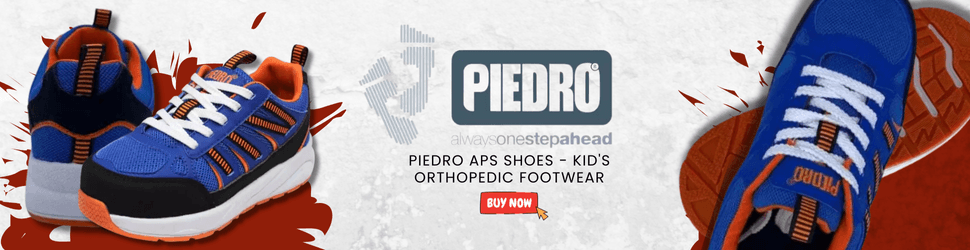
Conclusion: Investing in Healthy Feet
Orthopedic shoes are more than just footwear—they’re an investment in your child’s overall health and well-being. By providing proper support, they promote healthy foot development, improve posture, and ensure long-term comfort.
Whether your child has specific foot issues or simply needs quality footwear for everyday activities, orthopedic shoes are an excellent choice. Prioritize their growing needs and make informed decisions to ensure they step into the future with confidence and comfort.