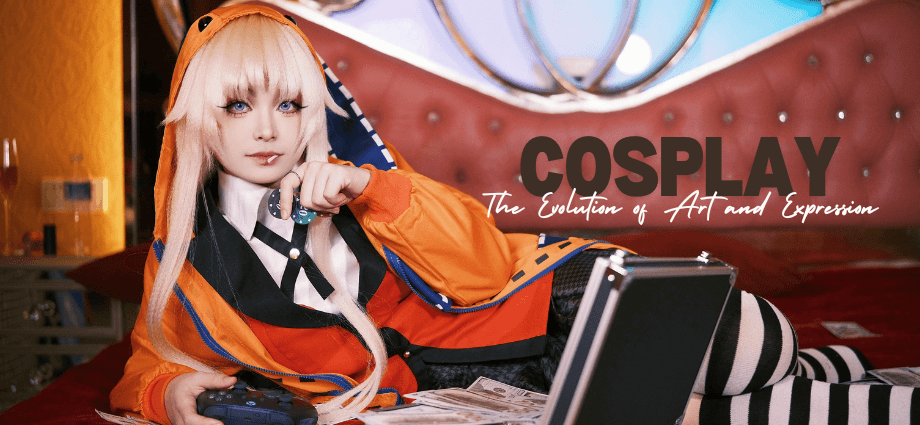
Cosplay, short for “costume play,” has become more than just a fun hobby for fans of pop culture. It has grown into a respected form of art and self-expression, blending creativity, performance, and identity. From its humble beginnings to its global popularity today, cosplay showcases the power of imagination and community.
The Beginnings of Cosplay
Cosplay has its roots in the creative passion of fans. It began as a niche activity and gradually transformed into a worldwide phenomenon.
Origins in Japan
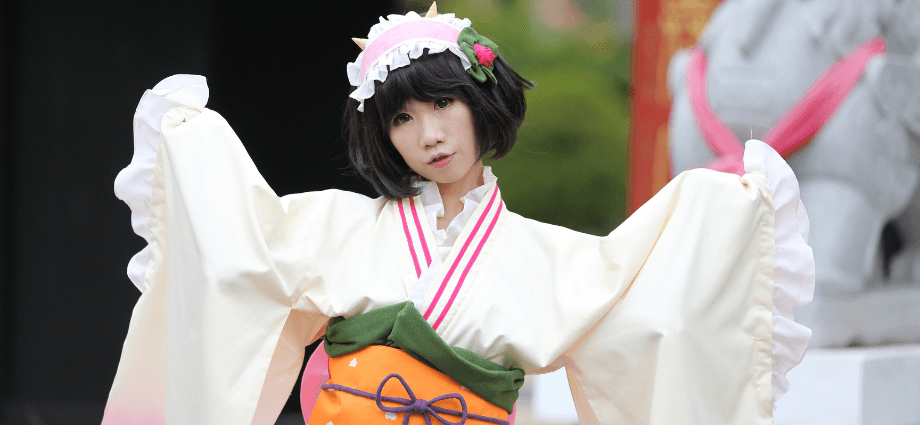
Cosplay originated in Japan during the 1980s, influenced by anime, manga, and science fiction. Fans would dress up as their favorite characters at conventions and gatherings. These events allowed fans to celebrate their love for these stories by becoming the characters they admired.
Western Influence
While cosplay began in Japan, it quickly drew inspiration from Western science fiction and fantasy. Movies like Star Wars and Star Trek inspired fans in the United States to create elaborate costumes. Comic-Con, first held in 1970, became a major platform for cosplayers in the West.
Cultural Significance
Cosplay is more than just wearing a costume. It’s a way for fans to connect with the stories and characters they love. By dressing up, they honor the worlds that inspired them and build a sense of shared appreciation within fan communities.
Cosplay as an Artistic Medium
Cosplay has evolved into a respected artistic medium, blending craftsmanship, performance, and storytelling. It demands skills such as sewing, sculpting, makeup artistry, and even acting to bring characters to life. By merging imagination with technical expertise, cosplay allows individuals to express their creativity and connect with a global community.
Creativity in Costume Design
Creating a cosplay outfit is an art in itself. Many cosplayers design and make their costumes from scratch, using materials like fabric, foam, and paint. The process often involves:
- Sewing costumes to perfectly match character designs.
- Building props like swords, armor, or staffs.
- Painting and weathering materials for a realistic finish.
This dedication showcases the talent and creativity of cosplayers, making their costumes stand out as unique works of art.
Transformation and Performance
Cosplay goes beyond crafting costumes; it’s also about becoming the character. Cosplayers adopt the mannerisms, poses, and voices of their chosen characters to bring them to life. This blend of performance and craftsmanship makes cosplay a multi-dimensional art form.
Innovation and Technology in Cosplay
Modern technology has expanded the possibilities for cosplay. Advanced tools like 3D printing allow cosplayers to create intricate props with precision. LED lights, animatronics, and special effects bring costumes to life, making them even more impressive.
Cosplay as a Form of Self-Expression
Cosplay goes beyond mimicking characters, allowing individuals to showcase their unique interpretations and creativity. It serves as a platform for expressing personal identity, passions, and emotions through the characters they embody. This fusion of fandom and individuality makes cosplay a meaningful and empowering outlet for self-expression.
Exploring Identity
For many, cosplay is an opportunity to explore different aspects of their identity. It provides a safe space to:
- Experiment with gender expression through gender-swapped or cross-play costumes.
- Celebrate cultural identity by incorporating traditional elements into character designs.
- Express personal values by choosing characters they connect with emotionally.
Through cosplay, individuals can find empowerment and discover more about themselves.
Building Confidence
Cosplay can boost confidence and help people overcome insecurities. Wearing a costume of a powerful or inspiring character allows cosplayers to embody qualities they admire. Many report feeling more self-assured and comfortable in social settings, thanks to the confidence gained from cosplay.
Community and Belonging
One of the most rewarding aspects of cosplay is the sense of community it creates. Conventions, workshops, and online forums bring people together to share their passion. Cosplay fosters:
- Friendship: Many cosplayers meet lifelong friends through the hobby.
- Collaboration: Groups often work together on themed costumes or skits.
- Support: The community is a space for sharing tips, encouragement, and creativity.
The camaraderie within the cosplay community strengthens its appeal and impact.
The Growing Popularity of Cosplay
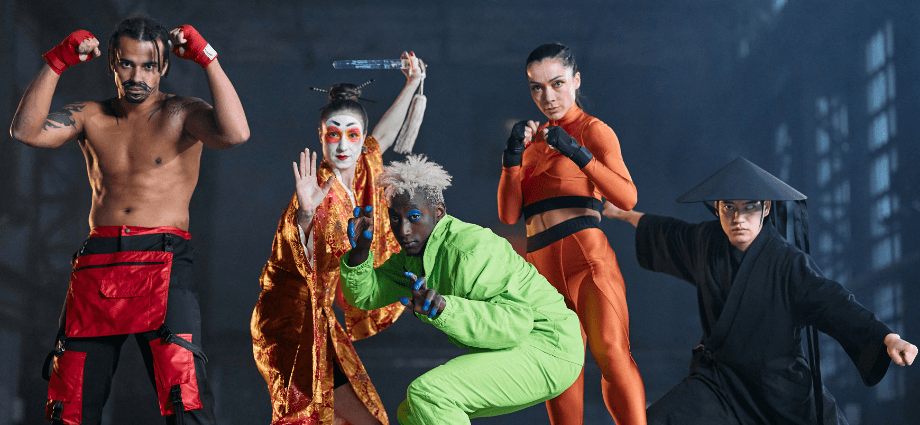
Cosplay has grown from niche fan meetups to a mainstream cultural phenomenon embraced worldwide. Events like comic conventions and online platforms have amplified its reach, drawing millions of participants and fans. This surge in popularity highlights cosplay’s universal appeal as a creative and social experience.
Global Reach
Cosplay is now a global phenomenon, thanks to social media platforms like Instagram, TikTok, and YouTube. These platforms allow cosplayers to share their work with a worldwide audience. Fans from different countries have embraced cosplay, blending their own cultural influences into character designs.
Professional Opportunities
Cosplay has also become a viable career path for some. Professional cosplayers earn income through sponsorships, appearances, and commissions. Many participate in international cosplay competitions that recognize their craftsmanship and performance skills. This shift has turned cosplay from a hobby into a legitimate profession.
Challenges and Criticisms of Cosplay
While cosplay celebrates creativity and self-expression, it also faces challenges such as high costs, time demands, and accessibility barriers. Participants may encounter criticism or gatekeeping within the community, making inclusivity a concern. Balancing passion with these hurdles remains an ongoing journey for many cosplayers.
Cost and Accessibility
Creating high-quality cosplay costumes can be expensive. The materials, tools, and time required can make it difficult for some people to participate. To address this, many cosplayers:
- Reuse or repurpose materials to save money.
- Share DIY tutorials to help others learn cost-effective techniques.
- Promote thrifted or budget-friendly cosplay options.
These efforts aim to make cosplay more accessible to everyone, regardless of budget.

Body Positivity and Inclusivity
Cosplay has faced issues with body shaming and gatekeeping, where some individuals criticize others for not “looking like” a character. However, the community is working to become more inclusive. Initiatives like #CosplayIsForEveryone promote diversity and acceptance, encouraging cosplayers of all shapes, sizes, and backgrounds to participate without fear of judgment.
Conclusion
Cosplay has grown from a small niche hobby to a celebrated global phenomenon. It combines art, performance, and self-expression, allowing people to connect with their favorite stories and characters in a personal way. While challenges like cost and inclusivity remain, the community continues to work toward making cosplay an open and welcoming space. As technology and creativity evolve, cosplay’s future holds endless possibilities for fans worldwide.