
A simple short walk can have a significant impact on your overall health. Walking is a low-impact exercise that is accessible to almost everyone, regardless of age or fitness level. By taking a few minutes each day to go for a walk, you can improve both your physical and mental well-being. In this article, we will explore the immediate, long-term, and mental health benefits of walking and provide practical tips on how to make it a habit.
Immediate Benefits of a Short Walk
Even a short walk can lead to noticeable changes in how you feel and function. These immediate benefits are a great motivation to start walking today.
Boosts Mood and Energy
Walking is an excellent way to uplift your mood and increase your energy levels. During a walk, your body releases endorphins, which are natural chemicals that make you feel happier.
- Helps combat stress by reducing cortisol levels.
- Increases energy levels by improving blood flow to the brain.
- Encourages a positive mindset, even after just 10 minutes of walking.
Improves Circulation
Walking enhances circulation, which benefits both the brain and the body. It ensures that your organs receive sufficient oxygen and nutrients to function optimally.
A quick 15-minute walk can:
- Increase blood flow to the brain, boosting alertness.
- Help muscles recover from long periods of sitting.
- Improve heart rate and maintain cardiovascular health.
Supports Creativity
Short walks are known to spark creativity. When you step away from your desk or routine, your mind becomes more open to new ideas.
- Walking outdoors provides inspiration through fresh surroundings.
- Helps in brainstorming and problem-solving.
- Research shows walking boosts creative thinking by up to 60% compared to sitting.
Long-Term Health Benefits
Consistent walking leads to profound and lasting improvements in your health. These benefits make it worth committing to this simple yet effective habit.
Enhances Heart Health
Regular walking strengthens the heart and reduces the risk of cardiovascular diseases. It is a simple way to maintain a healthy heart without intense workouts.
- Walking just 30 minutes a day can reduce the risk of heart disease by up to 19%.
- Helps lower blood pressure and cholesterol levels.
- Improves overall cardiovascular endurance.
Promotes Weight Management

Walking is an effective tool for maintaining or losing weight, especially when paired with a balanced diet. The calories burned during walks add up over time.
- A 20-minute brisk walk burns approximately 100 calories.
- Helps maintain metabolism, even on rest days.
- Encourages the adoption of other healthy lifestyle habits, such as eating more nutritious meals.
Reduces Risk of Chronic Diseases
Walking regularly helps prevent and manage various chronic conditions. This makes it an excellent form of preventive care.
- Reduces the risk of Type 2 diabetes by improving insulin sensitivity.
- Helps control hypertension by relaxing blood vessels.
- Lowers inflammation, which is linked to several chronic diseases like arthritis and obesity.
Mental Health Benefits
Walking is not only good for the body but also a powerful tool to improve your mental well-being.
Relieves Anxiety and Depression
A short walk can help clear your mind and ease symptoms of anxiety and depression. The rhythmic movement of walking has a calming effect on the brain.
- Walking in natural settings, like parks, enhances the mood-boosting effects.
- Encourages the release of serotonin and dopamine, improving emotional health.
- Provides a sense of accomplishment, which can uplift your spirits.
Boosts Brain Function
Walking stimulates the brain, making it an excellent exercise for mental clarity and focus. Even short walks can make a difference in your daily productivity.
- Enhances memory and cognitive functions.
- Supports neuroplasticity, which helps the brain adapt and learn.
- Particularly beneficial for older adults to reduce the risk of dementia.
Encourages Mindfulness
Walking can be turned into a meditative practice that promotes mindfulness. It allows you to connect with your surroundings and your inner thoughts.
- Focus on your breath and the rhythm of your steps.
- Observe your environment, from the sound of birds to the feel of the wind.
- Combine walking with gratitude exercises to boost positivity.
How to Make Walking a Habit
Starting small and staying consistent are key to turning walking into a daily habit.
Start Small and Build Gradually
If you’re new to walking, it’s important to start with manageable goals. Over time, you can increase your duration and intensity.
- Begin with 10-minute walks each day.
- Gradually increase your walking time to 30 minutes or more.
- Celebrate small milestones to stay motivated.
Make It Enjoyable
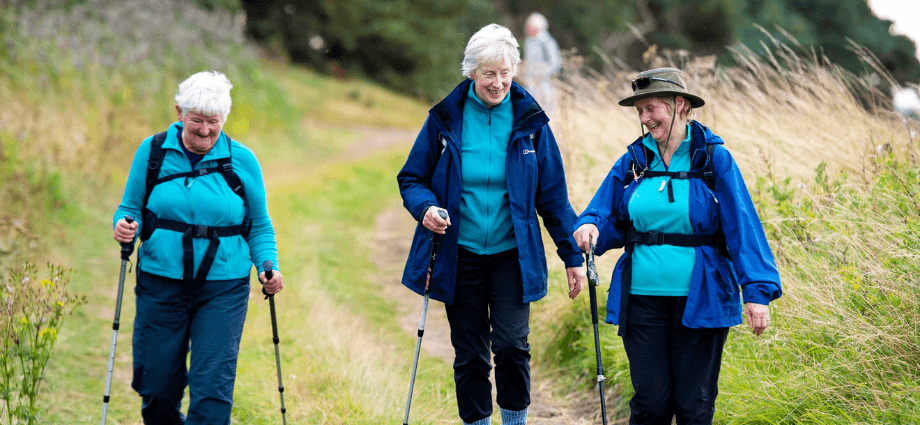
Walking doesn’t have to be boring. Add elements to your walk that make it something you look forward to.
- Listen to your favorite music, podcasts, or audiobooks.
- Walk with a friend or join a local walking group.
- Explore different trails or paths to keep things fresh.
Track Your Progress
Tracking your steps and distance can help you stay consistent and motivated. Technology makes this easier than ever.
- Use fitness apps or pedometers to count steps.
- Set weekly goals and monitor your progress.
- Reward yourself for achieving milestones, such as a new pair of walking shoes.
Tips to Maximize Your Walks
To get the most out of your walks, focus on improving your technique and maintaining consistency.
Focus on Posture
Proper posture ensures that you’re walking safely and effectively. This minimizes the risk of injuries.
- Keep your head up and shoulders relaxed.
- Swing your arms naturally with each step.
- Land softly on your heels and roll forward to push off with your toes.
Adjust Your Pace
Varying your pace can make your walks more engaging and beneficial. Try alternating between slow and brisk walking.
- Slow walking helps with mindfulness and recovery.
- Brisk walking improves cardiovascular health and burns more calories.
- Interval walking (alternating speeds) boosts fitness levels.
Stay Consistent
Consistency is the most important factor in reaping the benefits of walking. Find ways to overcome challenges and stick to your routine.
- Plan your walks at the same time every day to build a habit.
- Invest in weather-appropriate clothing to walk year-round.
- Turn daily errands into opportunities for walking, like parking farther away or taking stairs.
Conclusion
Walking is a simple yet powerful way to improve your health and well-being. Whether you’re looking for immediate mood boosts, long-term physical benefits, or enhanced mental clarity, walking can deliver transformative results. Start small, make it enjoyable, and stay consistent. Taking even one short walk today can be the first step toward a healthier, happier life.