
Footwear brands have always competed to win the hearts of consumers. But beyond stores and advertisements, these competitions sometimes end up in court. Companies like Nike, Adidas, and Converse often fight to protect their designs, trademarks, and market position. These legal battles can shape the industry, affect consumers, and spark discussions about creativity and fairness. Let’s explore why these disputes happen, some famous cases, and their impact on customers and the industry.
Why Footwear Brands Fight Legal Battles
Footwear brands invest time, effort, and creativity in making unique products. Legal battles often arise to protect their hard work and ensure their position in the market.
Protecting Designs and Trademarks
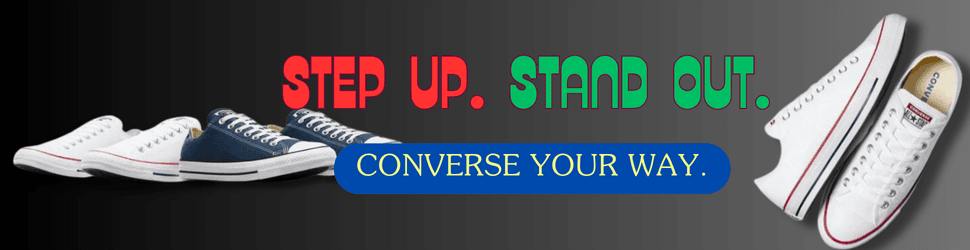
Brands like Nike and Converse spend years developing iconic designs. They file lawsuits to stop other companies from copying these designs or logos. For example, trademark protection helps brands defend unique shoes like the Converse Chuck Taylor, which remains popular across generations.
Maintaining Brand Identity and Market Share
Companies fight in court to preserve their reputation and position in the industry. If a competitor releases a product that looks too similar, it could confuse consumers. Legal battles ensure that brands maintain their distinct identity and don’t lose market share to imitation products.
The Role of Innovation in Competitions
Brands constantly innovate to stay ahead of their rivals. However, innovation can sometimes lead to disputes. Companies may argue whether a design is inspired by existing products or copied outright, leading to lengthy legal battles.
Famous Footwear Legal Battles

Some footwear rivalries stand out because of their history, scale, or impact on the industry. Here are a few key disputes that shaped the market.
Nike vs. Adidas – The Fight Over Designs
Nike and Adidas are two of the biggest names in the footwear world. Over the years, they have clashed in court several times. A well-known case involved disputes over shoe designs and patented technology. Nike accused Adidas of copying features of its innovative Flyknit shoes. These battles highlight how far brands will go to protect their creative work.
Puma vs. Adidas – The Rivalry of Brothers
The Puma vs. Adidas story began with two brothers, Adolf and Rudolf Dassler, who founded a shoe company together. Their disagreements led to the split of the business, creating Adidas and Puma. Over the decades, their companies have competed fiercely in courts and markets. Legal battles focused on designs, sponsorship deals, and market strategies, keeping the rivalry alive even after their founders passed away.
Converse vs. Other Brands – The Chuck Taylor Trademark Case
Converse is famous for its Chuck Taylor sneakers, a design recognized worldwide. To protect its signature style, Converse sued multiple competitors, accusing them of copying the design. The company argued that similar shoes confused customers and harmed its brand. This case showed how important trademarks are for preserving brand identity.
How These Battles Affect Consumers
Legal disputes between footwear brands don’t just impact companies. They also affect customers in several ways.
Higher Prices and Limited Choices
Legal battles cost companies a lot of money. To recover these expenses, brands may increase shoe prices, which affects buyers. Additionally, successful lawsuits can limit the number of shoe designs available, leaving customers with fewer choices.
Boosting Creativity and Unique Designs
While legal conflicts may seem negative, they also push brands to innovate. To avoid copying accusations, companies work harder to create unique and creative designs. This benefits consumers by providing exciting and original footwear options. For example, many brands introduce bold styles and features to stand out in the market.
What the Future Holds for Footwear Rivalries
As the footwear market evolves, brand rivalries will also change. Here’s what the future might look like for these companies.
Increased Competition in a Digital Market
The rise of online shopping and digital marketing has intensified competition. Brands now face challenges like counterfeit products sold online. To fight this, they will likely file more lawsuits to protect their designs and trademarks in the digital space.
Collaborations Over Legal Conflicts
Some brands are choosing collaboration over court battles. By working together, they can share ideas and reach new audiences. For example, rival brands have started limited-edition partnerships, creating products that attract fans from both sides. These collaborations offer an alternative to costly and time-consuming lawsuits.
Conclusion
Footwear brands compete not only in stores but also in courtrooms. They fight to protect their designs, trademarks, and market share, leading to famous legal battles that shape the industry. While these disputes can drive up prices or limit choices, they also push companies to innovate and create unique products. As competition grows, brands may face new challenges in a digital market. Whether through lawsuits or collaborations, these rivalries will continue to influence the footwear industry and the products we see on store shelves.